Independent Lab Testing
Mold Testing in Great River, NY
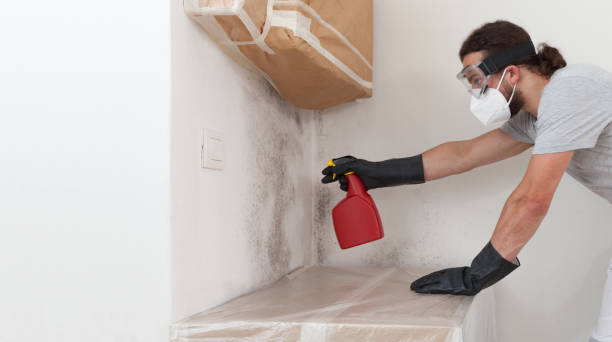
WQB Mold Removal pulls air and surface samples from Great River properties and sends them to an independent lab, not one we own.
📞 Call +1-844-578-1604 Now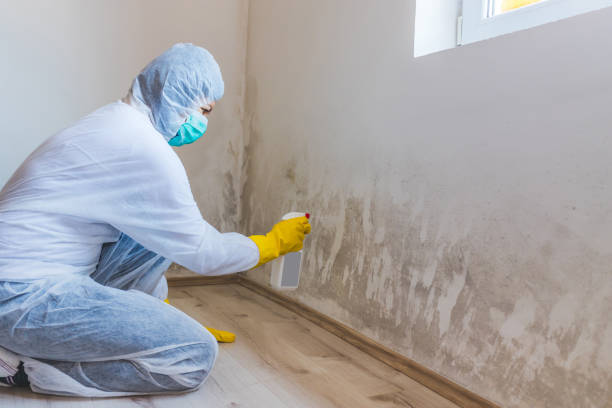
WQB Mold Removal pulls air and surface samples from Great River properties and sends them to an independent lab, not one we own.
📞 Call +1-844-578-1604 Now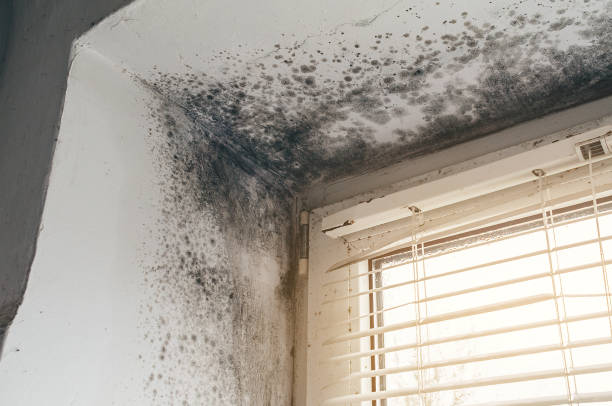
WQB Mold Removal partners with an independent accredited lab to give Great River clients real, documented answers instead of a visual guess.
Every result comes with a written report you keep, regardless of what we find. Our lab partner uses accredited methodology, which matters if your Great River, NY results ever face scrutiny. We keep a copy of every report on file in case you need it again down the road.
What sets our Mold Testing crew apart in Great River.
We use an independent accredited lab for every Great River sample, keeping results objective. Sample chain-of-custody is documented from collection through lab delivery.
Most Great River jobs benefit from both methods together for a complete picture. We can rush results for Great River clients working against a closing date or claim deadline.
Standard results typically return within a few business days of sample collection. Sample chain-of-custody is documented from collection through lab delivery.
Every result comes with a written lab report you can hand directly to an insurer, buyer, or contractor. We can rush results for Great River clients working against a closing date or claim deadline.
Every Great River job gets scoped to the specific problem, not a generic checklist.
Comparing indoor to outdoor spore counts is how a lab determines whether your Great River property has an elevated problem.
This method works well when you already see visible growth and want species confirmation.
ERMI is especially useful for Great River properties with chronic, hard-to-pin-down air quality complaints.
Testing before remediation establishes a baseline; testing after confirms the work actually brought levels back to normal.
An independent clearance test after remediation confirms the space is safe to reoccupy.
If results come back elevated, we'll explain next steps without pressuring you into a specific service.
Here's exactly how a Great River mold testing appointment works, from sampling to results.
A quick call helps our Great River dispatcher send the right equipment on the first visit. We'll give you a realistic arrival window rather than a vague estimate.
Our nearest available crew heads straight to your Great River address with the gear this job actually needs. You'll get a call or text when the crew is on the way.
We inspect, test where needed, and give you a flat-rate quote before any work begins. Nothing gets added later that wasn't discussed and approved upfront.
The job isn't done until it passes our own check, backed by a written guarantee. We'll walk the space with you before calling it finished.
A few recent stories from testing appointments around Great River.
"The lab report gave us exactly what our insurance company asked for — claim approved without a fight."|"Fast sample collection and the results explained clearly over the phone." — Renee A., Great River
"We used the ERMI test to finally figure out why my son's allergies got worse in that one bedroom."|"Independent lab meant we trusted the results more than a company grading its own work." — Oscar V., Great River
"Clearance testing after our remediation gave us real peace of mind before moving back in."|"Straightforward pricing, no surprise add-ons." — Latoya B., Great River
Samples are typically collected within a day or two of your Great River call.
Call +1-844-578-1604Inside our Great River coverage zone, testing appointments are usually available within a day or two.
We use the same independent lab for every Great River sample, so results stay consistent and comparable over time.
Proudly serving zip codes in Great River, NY including 11739 11730
The questions we hear most before a testing appointment.
Rush options are available if you're working against a deadline like a closing date.
An inspection is a visual and moisture-based assessment; testing involves lab-analyzed samples with documented spore counts.
Some Great River clients only want clearance testing after a visible problem was already treated — either approach is fine.
For the most accurate baseline, we typically recommend testing before any cleaning or remediation begins.
We're glad to speak with your adjuster directly if that helps move a claim along.